Whale Swimming in Circle Patch Review
As an embroidery designer who spends countless hours digitizing and testing designs for my own small business, I approach every new file with a mix of excitement and skepticism. We are all looking for that perfect balance between artistic charm and technical reliability. Recently, I came across the Whale Swimming in Circle Patch, and it immediately caught my eye. It is not just another generic fish design; it has a distinct personality that speaks directly to the growing market for meaningful, personalized gifts.
In this review, I will walk you through my practical experience evaluating this machine embroidery design. I am looking at it from the perspective of someone who needs reliable assets for Etsy seller listings, custom order previews, and craft fair products. Whether you are creating baby blankets, wedding keepsakes, or kitchen towels, understanding how a design like this performs in real-world applications is crucial for maintaining customer trust and perceived value.
First Impressions: Mood and Emotional Appeal
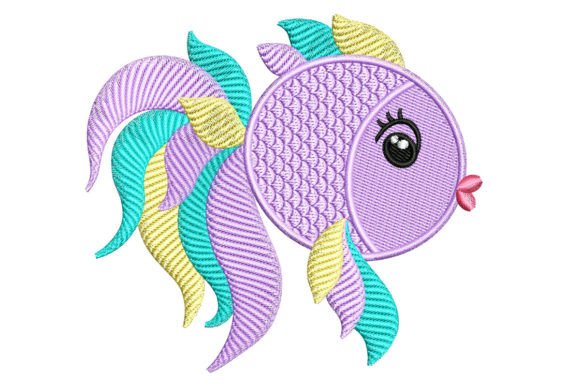
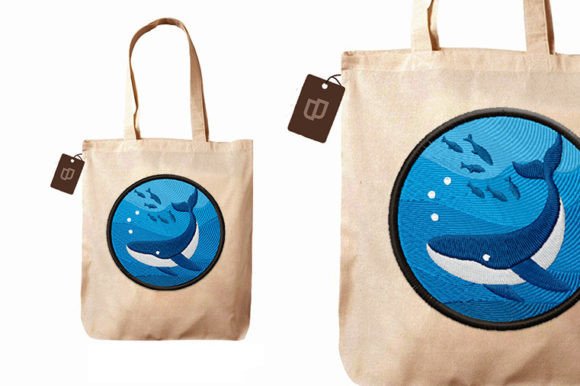
The first thing you notice about the Whale Swimming in Circle Patch is its mood. The description notes a whale swimming with small fish behind, set against several colors of the sea. This composition creates a sense of movement and harmony. Unlike static, rigid patches, this design feels alive. The "firm character" mentioned in the product details suggests that the whale is drawn with confidence, giving it a sturdy, reliable look that translates well into stitch work.
For gift buyers, emotional connection is key. This design strikes a balance between being sweet and elegant. It is playful enough for a child’s nursery but sophisticated enough for a trendy tote bag or a modern home decor item. When I visualize this on a finished product, it evokes feelings of calm, exploration, and nature. It fits perfectly into the current trend of ocean-themed aesthetics, which remain popular for baby embroidery projects and gender-neutral nursery decor.
Application Scenarios for Personalized Gifts
One of the strongest selling points of this embroidery file is its versatility. It is marketed as suitable for hats, bags, jackets, pants, or key chains, but I believe its potential extends even further when used for personalized gift items. Here is how I see this design performing in specific niches:
- Baby Products: The soft, circular motion of the whale makes it ideal for blanket embroidery or onesies. The presence of small fish adds a delightful detail that parents love to spot on their children's clothes. It works beautifully on muslin cloths or hooded towels.
- Wedding and Family Keepsakes: While whales might seem like a casual motif, they can be very romantic if styled correctly. Imagine this patch embroidered on the inside of a pillow cover for a newlywed couple who loves the ocean. It serves as a subtle, meaningful symbol of journeying together.
- Kitchen and Home Textiles: An embroidered towel featuring this design would make a fantastic housewarming gift. The circular shape frames nicely on a standard dish towel or a larger apron. It adds a handmade quality that store-bought items often lack.
- Fashion Accessories: For the small shop product creator, applying this to denim jackets, canvas tote bags, or beanies offers high perceived value. Customers are willing to pay more for unique, hand-finished details on everyday items.
When creating printable mockup images for your online store, consider placing the whale on light, airy fabrics to enhance the "colors of the sea" aesthetic. This helps the buyer visualize the final result clearly.
Target Audience and Buyer Engagement
This design appeals to a wide range of customers. It attracts parents looking for unique nursery items, young adults who appreciate coastal decor, and crafters who enjoy making custom orders. By offering this as part of your catalog, you signal that you pay attention to detail and quality. A well-executed custom embroidery piece builds brand loyalty because the recipient feels the care put into the creation process.
Technical Considerations and Potential Pitfalls
While the design is charming, no digital embroidery file is without its challenges. As a professional, I must advise caution in where and how you apply this design. Understanding the limitations of the stitch density and fabric interaction is vital to avoiding unhappy customers.
There are several areas where you should use the Whale Swimming in Circle Patch carefully:
- Delicate Details: If the small fish are stitched with very fine satin stitches, they may become muddy or lose definition on certain fabrics. Always check these small details after stitching.
- Thick or Textured Fabrics: Avoid using this on thick terry cloth towels or heavily textured weaves unless you are using a high-quality cut-away stabilizer. The needle penetration might struggle, leading to puckering.
- Stretchy Materials: For stretchy baby clothes like jersey knits, you must use a strong stabilizer. Without proper support, the circular shape of the whale may distort during washing.
- Dark Fabrics: If you plan to embroider this on dark fabric, ensure the thread colors provide enough contrast. The "several colors of the sea" might get lost if the base fabric is too dark and the threads are not vibrant enough.
- Curved Surfaces: Embroidering on curved surfaces like the brim of a hat or a rounded bag requires a specialized hoop. Ensure your machine setup can handle the curvature without shifting the design.
Practical Embroidery Notes for Makers
Before you rush to produce a batch of these gifts, follow these essential steps to ensure a professional finish:
- Test on Scrap Fabric: Never assume a design will work perfectly on your final material. Stitch a test version on the exact fabric you plan to sell.
- Check Thread Color Contrast: Compare your chosen thread colors against the fabric. Light blue threads on white cotton might wash out, while dark navy on black might disappear entirely.
- Confirm Hoop Size: Ensure your hoop is large enough to accommodate the full circle of the whale without cutting off any elements. A cramped design looks unprofessional.
- Use Proper Stabilizer: Match your stabilizer to the fabric weight. Lightweight tear-away for stable wovens, and heavy-duty cut-away for knits and stretchy materials.
- Review Stitch Density: High density can make a fabric stiff and uncomfortable, especially for baby items. If the design feels too dense, consider asking the digitizer for a lighter version or adjusting the settings if possible.
- Commercial Licensing: Most importantly, confirm commercial licensing before selling finished products. Even if you buy the file, you need the legal right to profit from the physical goods you create.
Final Thoughts on Giftability and Value
The Whale Swimming in Circle Patch is more than just a pretty picture; it is a tool for creating emotional connections. When a customer receives a hand-embroidered item, they are buying into the story and the craftsmanship. This design supports that narrative by offering a classic, timeless look that does not feel trendy or fleeting.
For handmade sellers and digital product sellers, this asset can streamline your workflow while adding a premium touch to your offerings. It bridges the gap between cute and chic, making it a safe yet exciting choice for various product lines. By paying attention to the technical details—like stabilizer choice and thread contrast—you can ensure that every finished product reflects the high standards your customers expect.
Ultimately, success in the handmade market comes from reliability and charm. This design delivers both. It is ready to swim into your next collection, bringing joy to recipients and satisfaction to makers. Just remember to test thoroughly, respect the fabric, and always prioritize the quality of the finished product. With careful execution, the Whale Swimming in Circle Patch can become a staple in your personalized gift inventory, appealing to everyone from new parents to seasoned craft enthusiasts.