Mental Health Healing Is Not Linear
As an embroidery designer who has spent years translating digital concepts into tangible textile art, I approach every new design file with a mix of excitement and critical scrutiny. When I first pulled up the Mental Health Healing is Not Linear machine embroidery design, I immediately recognized its potential for a specific niche: premium boutique apparel. This isn’t just another generic phrase; it carries weight, emotion, and a narrative that resonates deeply with modern consumers. For small clothing brands, Etsy sellers, and creative entrepreneurs looking to expand their collections, understanding how this design translates from screen to fabric is crucial.
First Impressions and Design Aesthetic
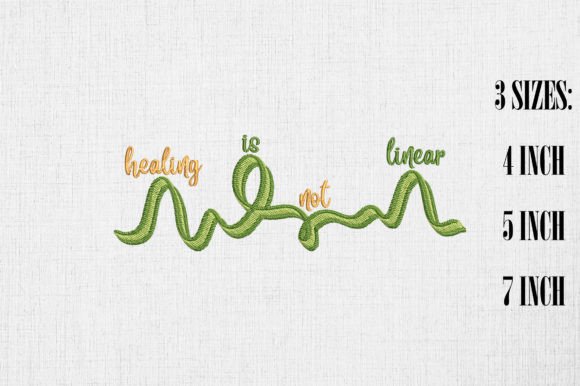
The initial mood of Mental Health Healing is Not Linear strikes me as both bold and deeply comforting. The typography appears to balance strength with softness, suggesting a design that is neither overly aggressive nor too delicate. In my experience, designs that tackle serious topics like mental health require a visual language that feels authentic rather than decorative. This design achieves that balance. It feels minimal yet impactful, making it suitable for a wide range of aesthetic directions, from rustic and handmade to clean and modern corporate wellness branding.
The layout likely centers around the concept of non-linearity, perhaps using curves, waves, or interconnected elements to represent the journey of healing. This adds a layer of sophistication that elevates the finished product beyond a simple slogan. It transforms the garment into a statement piece. For a boutique brand, this level of detail is essential for building brand identity and visual recognition. It signals to the customer that the brand cares about quality and meaningful messaging, which directly impacts buyer trust and engagement.
Application on Sweatshirts and Hoodies
Sweatshirt embroidery requires a different approach than t-shirt printing. The fabric texture of cotton blends or fleece provides a plush canvas that can either enhance or hide design details depending on the stitch density. I envision Mental Health Healing is Not Linear looking exceptional on neutral sweatshirts. A heather grey or oatmeal-colored hoodie allows the thread colors to pop without competing with the base fabric. However, don’t overlook the power of dark fabric; on black or navy hoodies, metallic or pastel threads can create a subtle, luxurious sheen that catches the light beautifully.
For a limited drop, placement is key. While a standard left-chest placement works for traditional branding, this design’s emotional resonance might benefit from a larger back print or a centered chest placement on oversized hoodies. Oversized fits are currently trending in the handmade market, offering a cozy, streetwear vibe that pairs well with thoughtful messages. Additionally, consider sleeve accents. A smaller, simplified version of the motif on the cuff or upper arm can add a playful, feminine touch that appeals to younger demographics.
Fabric and Thread Considerations
When planning production for this embroidery file, practical concerns must take precedence. The thickness of the sweatshirt fabric demands a robust stabilizer choice. Cut-away stabilizer is almost always necessary for knit fabrics to prevent puckering during wear and washing. Without proper support, even the best design will look distorted.
Thread color contrast is another vital factor. If the design features intricate lines, ensure the stitch density is sufficient to cover the fabric weave completely. On textured fabrics, lower-density stitches might get lost in the material. I recommend testing various thread colors before committing to a full run. Pastel pinks, lavenders, or deep blues can change the entire personality of the design, shifting it from casual to elegant. Remember, the goal is a finished product that feels durable and high-end, not flimsy or mass-produced.
Commercial Viability and Brand Value
For Etsy sellers and small shop products, the ability to produce unique, high-quality items is a major competitive advantage. Using a design like Mental Health Healing is Not Linear allows you to tap into the growing awareness market. Consumers are increasingly drawn to brands that advocate for mental well-being. By incorporating this design into your catalog, you are not just selling apparel; you are selling a message of hope and resilience.
This approach enhances product value significantly. Customers are often willing to pay a premium for handmade goods that feel personal and purposeful. The tactile nature of embroidery adds perceived value compared to printed graphics. It suggests longevity and care. Furthermore, this design lends itself well to lifestyle product photography. Imagine a model wearing the sweatshirt in a cozy, sunlit room, emphasizing comfort and peace. Such imagery drives conversion rates on platforms like Etsy and Shopify.
Versatility Across Product Lines
While our focus here is sweatshirts, the versatility of Mental Health Healing is Not Linear should not be underestimated. As noted in the product description, it complements t-shirts, dresses, scarves, and home decor. For a boutique brand, this means you can create a cohesive collection. A matching set featuring the sweatshirt, a tote bag, and a wall hanging creates a complete lifestyle brand experience. This cross-selling opportunity increases average order value and strengthens customer loyalty.
However, adaptability is key. You may need to resize or adjust the hoop size for different applications. Always check the specific dimensions provided in the digital embroidery file. What looks perfect on a crewneck sweatshirt might need scaling down for a scarf hem. Ensuring readability at smaller sizes is crucial; if the text becomes illegible due to downsizing, the impact of the message is lost.
Production Tips for Embroidery Enthusiasts
To ensure your commercial embroidery projects succeed, attention to detail during the digitizing and stitching process is paramount. Here are some actionable tips based on my review:
- Stabilizer Selection: Use a high-quality cut-away stabilizer for all knit garments. For heavier hoodies, consider layering with tear-away for temporary support during stitching.
- Hoop Placement: Mark your hooping points precisely. Misalignment can ruin the symmetry of the design, especially on asymmetric cuts or oversized fits.
- Washing Durability: Test wash your samples. High-density embroidery can sometimes trap moisture, so ensure the design allows for breathability. Proper backing prevents shrinkage issues between the fabric and the stitch.
- Thread Quality: Invest in high-grade polyester or rayon threads. They offer better luster and resistance to fading, ensuring your handmade product maintains its appeal over time.
By following these guidelines, you protect your reputation as a creator of quality goods. Customers remember when a garment starts to pucker or fade after a few washes. Conversely, they celebrate when a piece remains vibrant and intact, becoming a staple in their wardrobe.
Final Thoughts on Design Assets
Incorporating Mental Health Healing is Not Linear into your inventory is a strategic move for any creative entrepreneur. It bridges the gap between fashion and function, offering comfort through both fabric and message. Whether you are designing for a local boutique or an online global audience, this design offers the flexibility to adapt to various styles while maintaining a strong, recognizable brand voice.
Before finalizing your production plans, please verify the specific technical details included with your purchase. Ensure you have the correct file formats for your machines and confirm the license terms allow for commercial use. With the right preparation, this design can become a standout item in your collection, driving sales and connecting with customers on a deeper level. Embrace the creativity, respect the craft, and let your custom apparel speak volumes.