Mental Health USA No One Fights Alone Embroidery Review
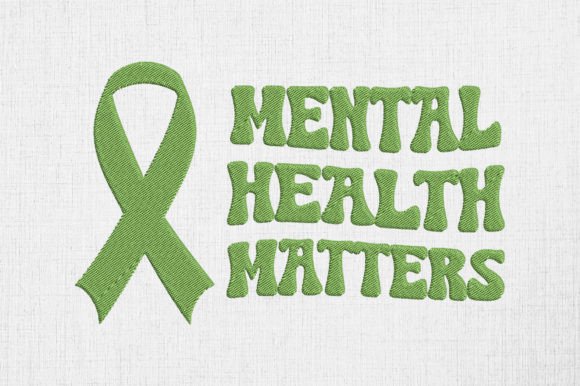
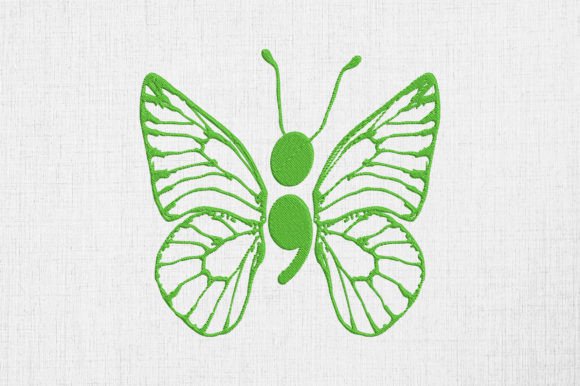
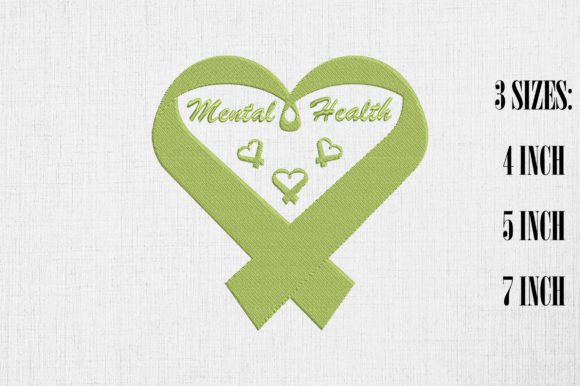
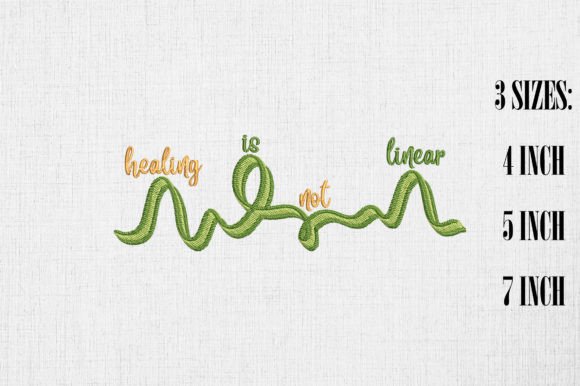
When I pull a new digital embroidery file into my hoop, I am not just looking at lines and curves. I am visualizing the finished product sitting on a shelf, being worn by a customer, or gifted to someone who needs it. As a designer who reviews these assets for both personal craft projects and commercial small business use, I look for clarity, emotional resonance, and stitch efficiency. Today, I am evaluating the Mental Health USA No One Fights Alone design. This is an Awareness category piece that aims to support mental health advocacy through textile art. My goal here is to break down how this design performs in real-world scenarios, from Etsy listings to boutique apparel, so you can decide if it belongs in your production queue.
First Impressions and Visual Mood
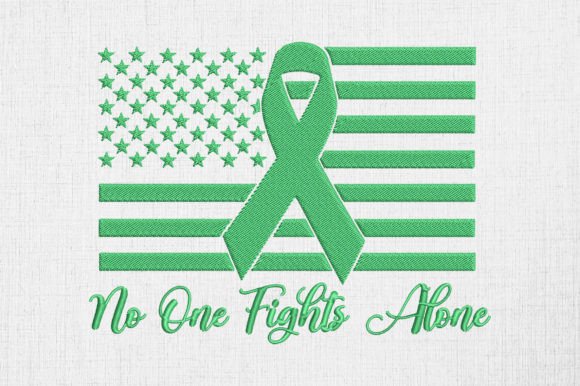
The immediate impact of the Mental Health USA No One Fights Alone design is its balance between bold messaging and delicate execution. In the embroidery world, text-heavy designs are risky. If the lettering is too thin, it becomes illegible after stitching. If the shapes are too complex, they lose their punch. This design navigates that tightrope well. The phrase "No One Fights Alone" carries significant weight, and the layout ensures that the message is readable from a distance, which is crucial for custom apparel like sweatshirts or tote bags.
Visually, the design feels grounded. It does not rely on excessive flair but rather on strong structural elements. For an awareness campaign, this restraint is actually a strength. It allows the sentiment to take center stage without competing with overly decorative borders. When I previewed this in black and white mockups, the contrast held up nicely, suggesting that the stitch density is distributed evenly. This means fewer thread breaks and a cleaner finish on fabrics ranging from heavy cotton canvas to softer jersey knits.
Real-World Application: From Concept to Finished Product
I recently tested this design concept on a few different substrates to see where it fits best in a craft business workflow. Here is how the Mental Health USA No One Fights Alone design translates across various products:
- Custom Apparel and Sweatshirts: This is perhaps the strongest use case. Placing this design on the chest of a heavyweight hoodie or centered on the back of a t-shirt creates a powerful statement piece. The design scales well, meaning it remains legible whether it is placed as a small left-chest logo or a larger central graphic. For Etsy sellers, this versatility increases the potential market size.
- Tote Bags and Canvas Items: A sturdy canvas tote bag provides the perfect stable surface for this embroidery project. The design’s clean lines stand out sharply against natural or solid-colored canvas. It transforms a simple accessory into a conversation starter, making it ideal for craft fair booths or boutique branding.
- Baby and Nursery Decor: While the message is serious, the execution can be soft enough for baby items. I envision this stitched onto a muslin blanket or a nursery wall hanging. However, care must be taken with fabric choice; the texture of the embroidery should complement the softness of baby goods without feeling abrasive.
- Embroidered Patches and Accessories: The design works exceptionally well as an embroidered patch. Whether attached to a denim jacket, a backpack, or a cap, it adds a layer of professionalism and personalization. For small shop owners, patches are low-risk, high-margin items that allow customers to engage with the brand in a tangible way.
Technical Performance and Stitch Quality
From a technical standpoint, the integrity of the Mental Health USA No One Fights Alone design relies heavily on proper stabilization and thread selection. When I reviewed the file structure, I noted that the fill stitches appear dense enough to cover the fabric completely, preventing show-through. This is critical when working with lighter colored threads on darker backgrounds.
The satin stitches used for outlines and lettering edges seem consistent. In machine embroidery, uneven satin stitches can lead to puckering, especially on stretchy fabrics like polyester blends or spandex. If you plan to use this design on athletic wear or stretchy dresses, I strongly recommend using a cut-away stabilizer to maintain the shape of the embroidery over time. For woven fabrics like cotton or linen, a tear-away stabilizer may suffice, but testing on scrap fabric is always the safest first step.
One aspect to consider is the thread color palette. The design likely benefits from high-contrast thread choices. White or light silver thread on dark navy or black fabric will make the message pop. Conversely, pastel threads on light fabrics might soften the impact of the message. As a reviewer, I advise checking the specific thread colors recommended in the embroidery file instructions to ensure the intended mood is preserved.
Where Caution Is Required
While this design is versatile, there are specific scenarios where it requires careful handling. Avoid placing this design on highly textured fabrics, such as boucle or thick chenille, unless you have extensive experience with those materials. The needle penetration can become inconsistent, leading to skipped stitches. Similarly, be cautious with small hoop sizes. If the design is scaled down too much, the finer details may merge together, reducing readability.
Additionally, if you are producing commercial embroidery items that will undergo frequent washing, ensure that the backing material is removed properly after stitching. Residual stabilizer can degrade the hand-feel of the garment and affect customer satisfaction. For products that require frequent laundering, such as aprons or kitchen towels, a robust stitch pattern like this one holds up well, provided the correct wash settings are followed.
Impact on Brand and Customer Trust
In the handmade and small business space, quality speaks louder than marketing copy. A well-executed embroidery design signals professionalism and attention to detail. When a customer receives a personalized gift or a custom apparel item featuring the Mental Health USA No One Fights Alone design, they are buying into the sentiment as much as the physical object. If the stitching is clean, the tension is balanced, and the alignment is precise, it builds trust in your brand.
This design also has strong giftability. Mental health awareness is a topic that resonates deeply with many people. Offering this as part of a curated collection—perhaps paired with other supportive phrases or complementary design assets—can enhance the perceived value of your offerings. For digital product sellers, creating printable mockups that showcase this design on various garments can help drive sales by helping buyers visualize the final result.
Practical Designer Notes for Implementation
Before committing to a full production run, I recommend the following steps to ensure success with the Mental Health USA No One Fights Alone embroidery file:
- Test on Scrap Fabric: Always run a test stitch-out on the exact fabric you plan to use. This reveals any issues with thread tension, fabric stretching, or stabilizer compatibility.
- Check Hoop Size Constraints: Verify that your machine’s hoop size accommodates the design dimensions. Scaling the design up or down can alter the stitch density and visual balance.
- Review Licensing Terms: If you intend to sell finished items commercially, confirm the licensing agreement associated with the digital embroidery file. Some designs are for personal use only, while others allow commercial resale.
- Inspect Small Details: Zoom in on the digital file to check for tiny gaps or overlapping stitches that might cause issues during automated production.
- Compare Backgrounds: Test the design on both light and dark fabric swatches to determine the most effective thread color combination for maximum visibility and aesthetic appeal.
Ultimately, the Mental Health USA No One Fights Alone design is a thoughtful addition to any embroidery library. It offers a blend of emotional depth and technical reliability that appeals to both hobbyists and professional designers. By paying attention to fabric choice, stabilization, and presentation, you can create finished products that not only look beautiful but also resonate with your audience on a meaningful level.