Floral Mandala Motif Review
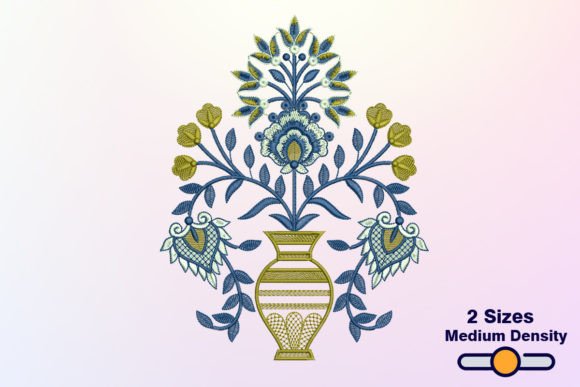
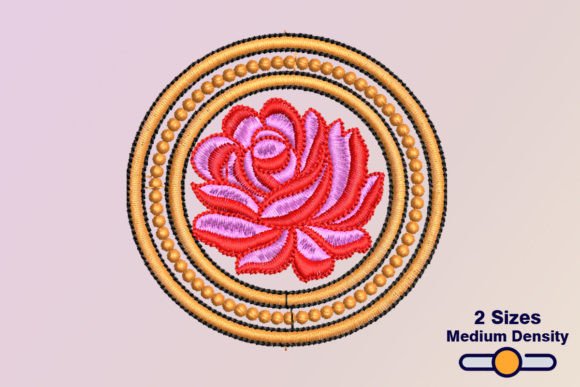
As an embroidery designer who has spent years translating visual concepts into stitchable reality, I approach every new design file with a mix of creative enthusiasm and technical skepticism. When evaluating assets for small business merch, the goal is never just aesthetics; it is about production viability, brand consistency, and customer satisfaction. Today, I am reviewing the Floral Mandala Motif, a design described as gorgeous, pretty, stylish, and suitable for decorative applications like pillows, curtains, and towels. While the description leans heavily toward home decor, the versatility of mandala patterns often translates beautifully to apparel and accessories. This review breaks down how this machine embroidery design performs when shifted from soft furnishings to branded merchandise, patches, and custom apparel.
First Impressions: Visual Personality and Brand Fit
The immediate impression of the Floral Mandala Motif is one of elegance and organic symmetry. The term "mandala" suggests a circular, meditative quality, while "floral" adds a touch of natural beauty. In the context of branding, this combination strikes a balance between premium and approachable. It does not feel aggressive or overly corporate; instead, it communicates craftsmanship, care, and attention to detail. For brands in the lifestyle, wellness, floral, or handmade sectors, this design aligns perfectly with a narrative of artisanal quality.
However, "pretty and stylish" are subjective terms that can sometimes mask technical pitfalls. A design that looks stunning on a high-resolution screen may struggle when digitized at small scales. The intricate nature of mandala patterns often involves fine lines and repetitive elements. As a designer, my first question is always: does the density hold up? If the petals are too thin or the spacing too tight, the embroidery may pucker or lose definition. For a brand identity that relies on clarity and recognition, the design must remain legible even when embroidered on a busy fabric texture or a curved surface.
Real-World Business Applications
While the product description highlights home goods, the true value of the Floral Mandala Motif lies in its adaptability across various commercial embroidery projects. Here is how this embroidery file can serve different small business models:
- Embroidered Patches: Mandalas are inherently contained within a circular or oval boundary, making them ideal candidates for iron-on or sew-on patches. These patches can be used to customize denim jackets, canvas tote bags, or backpacks, offering customers a personalized touch that boosts perceived value.
- Staff Uniforms and Aprons: For boutique owners, florists, or bakery staff, a subtle mandala placement on the chest pocket or sleeve cuff adds a unique signature without overwhelming the uniform. An apron embroidery featuring this motif can turn a standard work garment into a marketing tool, reinforcing brand aesthetics during customer interactions.
- Cap Embroidery: The structured nature of caps requires designs that conform well to curved surfaces. A centered mandala on a baseball cap or bucket hat offers a modern, bohemian look that appeals to fashion-forward demographics. It works particularly well for event merch or promotional giveaways where a distinctive logo is desired.
- Tote Bag Design: Canvas totes are a staple for Etsy sellers and craft businesses. A large-scale tote bag design using the Floral Mandala Motif can serve as both a functional item and a walking advertisement. The symmetrical nature of the pattern ensures it remains balanced even on the flexible fabric of a tote.
- Product Packaging Accents: Beyond apparel, this design can be stitched onto hang tags, gift boxes, or fabric labels attached to products. This level of detail signals to the buyer that the product inside is handcrafted and premium, enhancing customer trust and unboxing experience.
Technical Considerations and Risk Management
Not every beautiful design is a practical one. As you integrate the Floral Mandala Motif into your production workflow, there are specific areas where caution is required. Understanding these limitations will save you time, thread, and material waste.
- Small Patch Sizes and Detail Loss: If you plan to use this design for small lapel pins or tiny chest logos, test it rigorously. Mandala patterns rely on negative space and fine lines. At sizes under two inches, these details may merge into a blurry blob. Always produce a physical sample before committing to bulk orders.
- Stitch Density and Fabric Texture: High stitch density can cause puckering, especially on lightweight fabrics like rayon or thin cotton blends. Conversely, on heavy textures like wool or thick denim, the stitches may not penetrate fully, leading to loose threads. You must match the stitch density of the design to the weight and weave of your chosen fabric.
- Thread Color Contrast: The description mentions the design is "pretty," which often implies light or pastel colors. On dark uniforms or dark-colored totes, light thread colors may lack contrast, making the design hard to see. Ensure your thread colors provide sufficient visibility against the base material. Black outlines or darker fill threads might be necessary for readability.
- Hoop Size and Stability: Verify the recommended hoop size for this digital embroidery file. If the design exceeds standard hoop dimensions, it may require re-hooping, which risks misalignment. Additionally, always use the proper stabilizer (cut-away for knits, tear-away for wovens) to prevent distortion during stitching.
- Durability and Washing: For items like aprons or work shirts that undergo frequent washing, ensure the design uses secure tie-in techniques and durable thread types. Delicate satin stitches may fray over time if not properly executed.
Impact on Brand Identity and Customer Perception
In the crowded marketplace of handmade products and small business goods, visual consistency is key. The Floral Mandala Motif contributes to a brand identity that feels curated and thoughtful. When customers see a cohesive design language across their custom apparel, packaging, and merchandise, it elevates the perception of professionalism. It signals that the business cares about the details, which translates to higher perceived value.
Furthermore, this design fosters buyer engagement. Customers are drawn to designs that tell a story or evoke an emotion. The organic, flowing lines of a floral mandala can create a sense of calm and authenticity, resonating with consumers who prioritize sustainability and craftsmanship. By using this design strategically, you are not just selling a product; you are selling an aesthetic experience.
Practical Designer Notes for Production
Before adding the Floral Mandala Motif to your catalog, follow these essential steps to ensure a successful launch:
- Test in Black and White: Convert the design to monochrome to check its structural integrity. If the shapes do not read clearly in black and white, they may fail in color due to low contrast.
- Create a Printable Mockup: Use a printable mockup to visualize how the design sits on different products. This helps in planning placement and sizing before cutting any fabric.
- Inspect Spacing and Outlines: Look closely at the digitization. Are the outlines too close together? Is there enough space between petals to prevent thread breaks? Adjustments may be needed for optimal performance.
- Confirm Commercial Licensing: Ensure you have the right to use this design asset for commercial purposes. Selling finished goods requires clear licensing terms to avoid legal issues.
- Compare Against Other Assets: Place the Floral Mandala Motif alongside your existing brand elements. Does it complement your logo and typography, or does it compete for attention? Harmony is crucial for a polished look.
In conclusion, the Floral Mandala Motif is a versatile and elegant choice for small business owners looking to expand their merchandise offerings. Its potential ranges from decorative home accents to professional branded patches and custom apparel. However, success depends on careful technical execution. By testing thoroughly, choosing the right materials, and understanding the design’s limitations, you can leverage this embroidery file to create high-quality products that strengthen your brand and delight your customers. Remember to always verify specific technical details like stitch count and file format with the provider, as these factors directly impact the final result.