Mandala Wedding Monogram: A Designer’s Review
If you are an Etsy seller, a boutique maker, or someone preparing for a weekend craft fair, you know that the difference between a sale and a scroll often comes down to one thing: visual impact. As an experienced embroidery designer, I spend my days evaluating digital assets not just for their technical quality, but for their market potential. Today, I am reviewing the Mandala Wedding Monogram, a design described as everyone’s dream lettering that stitches out with a beautiful satin stitch and fits perfectly into vintage-style aesthetics.
This review is grounded in real-world application. I have imagined this design on my production table, surrounded by tote bags, aprons, tea towels, patches, caps, small pouches, pillow covers, and other giftable handmade items. Here is my professional judgment on how the Mandala Wedding Monogram performs as a craft fair product and what you need to consider before turning it into finished goods.
First Impressions: The Vintage Elegance Factor
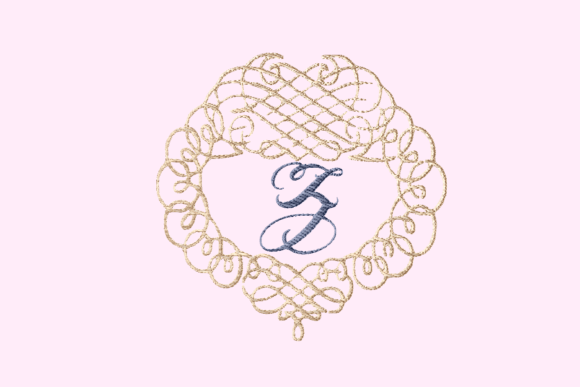
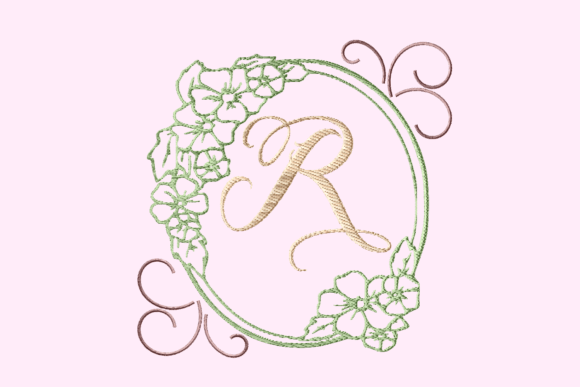
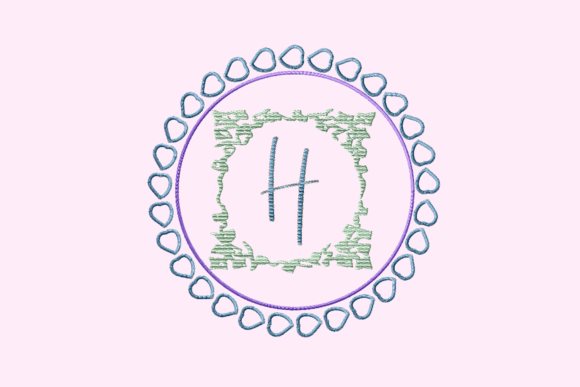
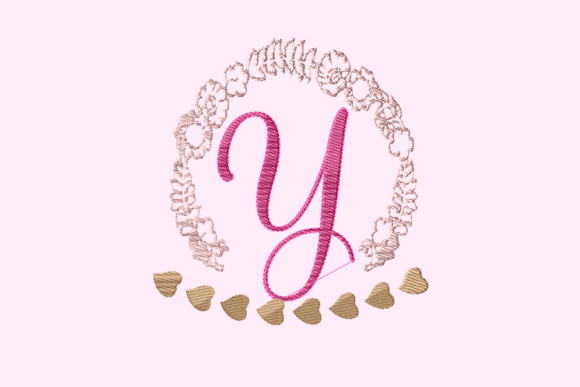
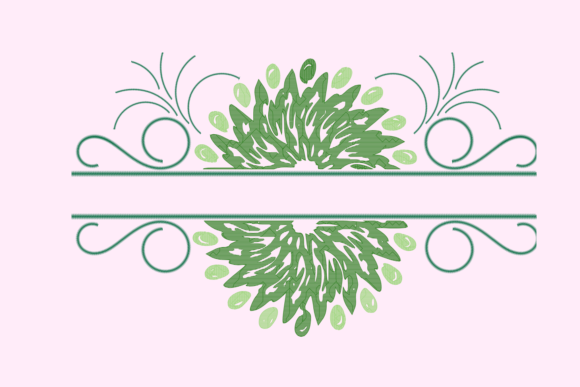
The moment you look at the Mandala Wedding Monogram, the aesthetic speaks for itself. It is not minimal, nor is it strictly modern. Instead, it leans heavily into the romantic, decorative, and premium categories that dominate the wedding market. The title suggests a mandala structure, which implies symmetry, intricate detail, and a sense of timeless beauty. When combined with monogram lettering, you get a piece of art rather than just text.
For a booth display, this design stands out because it feels expensive. Customers at craft fairs are looking for items that feel personalized and high-quality. The description notes that it is suitable for all vintage style designs, which tells us immediately where its niche lies. It appeals to brides, bridal parties, and guests who want something that feels classic yet unique. In terms of mood, it is elegant, soft, and festive without being overly loud. This makes it versatile enough for both the wedding day and the honeymoon phase of a marriage.
Product Versatility: Where Does It Shine?
One of the biggest challenges for a small shop product is finding a design that works across multiple categories. The Mandala Wedding Monogram is surprisingly adaptable. Here is how I see it performing on specific items:
- Tote Bags and Market Bags: A large tote bag provides a perfect canvas for the intricate details of a mandala. Placing the Mandala Wedding Monogram centrally allows the symmetry to breathe. This is a high-volume item for craft fairs, and personalization adds significant value.
- Apron Embroidery: For the kitchen, this design brings a touch of romance to daily chores. On a white or cream linen apron, the satin stitch will pop beautifully. It transforms a utilitarian item into a keepsake.
- Tea Towel Embroidery: Similar to aprons, tea towels are impulse buys. The smaller scale requires careful attention to stitch density, but the result is a charming, giftable item that looks great in packaging.
- Embroidered Patch: If you sell patches as accessories for denim jackets or backpacks, this design works well as a focal point. The circular nature of a mandala fits naturally within a patch shape.
- Pillow Covers: A throw pillow with a Mandala Wedding Monogram serves as a lasting memento. It is larger format, allowing for more thread color variation and texture.
- Caps and Pouches: These are trickier due to curved surfaces and limited space. While possible, they require precise placement and may lose some of the fine mandala details if the cap curve is too pronounced.
The key here is that the Mandala Wedding Monogram acts as a strong brand anchor. Whether it is on a tote bag design or a tea towel embroidery project, the consistency of the vintage style helps build a recognizable booth presence.
Production Practicality and Sales Appeal
From a production standpoint, the description highlights that the design stitches out with a "beautiful satin stitch." Satin stitches are generally smooth and visually striking, which is excellent for catching the eye of a passerby at a market. However, satin stitches can be demanding on your machine and your materials.
When considering batch production for a craft fair, you need to ask: Is this design efficient? Because it is a monogram, it likely centers around three letters. This means the design area is somewhat contained, which can save time compared to large, sprawling patterns. However, the mandala elements surrounding the letters may increase the total stitch count. You must ensure that your stitch density is optimized so that the fabric does not pucker, especially on lightweight cottons used for tea towels.
Photography is another critical factor. The Mandala Wedding Monogram has a lot of detail. When creating a printable mockup for your Etsy listings or social media, you need high-resolution images that show off the texture of the satin stitch. Close-up shots are essential to prove to online buyers that the tiny details remain clear and do not merge together. At a physical booth, good lighting will make the threads shimmer, increasing the perceived value of the finished product.
Technical Considerations and Careful Use Notes
No design is perfect, and as a designer, I always advise testing before selling. Here are specific areas where the Mandala Wedding Monogram might present challenges:
- Dense Stitch Areas: Mandala designs often feature dense stitching in the outer rings. If you use cheap stabilizer, these areas may become stiff or bubble. Always use a cut-away stabilizer for woven fabrics to maintain longevity.
- Small Lettering: Monograms rely on the clarity of the letters. Ensure that the font chosen for the initials is thick enough to hold up under the mandala frame. Thin serifs might get lost in the surrounding pattern.
- Fabric Texture: The design works best on smooth fabrics like cotton, linen, or canvas. Avoid highly textured fabrics like boucle or heavy terry cloth, as the needle may not penetrate evenly, leading to skipped stitches.
- Thread Contrast: To make the Mandala Wedding Monogram stand out, choose thread colors that contrast well with the fabric. Dark fabric requires light, metallic, or bright threads to ensure the satin stitch reflects light properly.
- Hoop Size: Confirm the required hoop size for the embroidery file. If the design is too large for standard hoops, you may need multi-hooping, which increases production time and the risk of alignment errors.
Strategic Advice for Sellers
To maximize the success of this design, follow these practical steps:
- Test on Scrap Fabric: Never run a full production run without a test sample. Check for thread breaks, tension issues, and overall aesthetic balance.
- Create Real Mockups: Before listing on Etsy, create at least one real mockup. Show the design on different colored fabrics to help customers visualize the final look.
- Check Commercial Licensing: This is non-negotiable. Ensure you have the proper license to sell finished products made from this digital embroidery file. Selling unlicensed designs can lead to serious legal issues.
- Bundle for Value: Offer sets. For example, a matching set of embroidered apron and tea towel with the same Mandala Wedding Monogram can increase your average order value.
- Highlight the Story: In your booth signage and online descriptions, emphasize the "vintage style" and "wedding special" aspects. Connect emotionally with your audience by framing the product as a memory keeper.
In conclusion, the Mandala Wedding Monogram is a strong candidate for any commercial embroidery business focused on weddings and home decor. Its vintage charm, combined with the structural integrity of a satin stitch, makes it a design that photographs well and sells well. By paying close attention to production details like stabilizer choice and thread contrast, you can turn this design asset into a best-selling handmade product that delights customers at your next craft fair or online store.