You Say Witch Like It s a Bad Thing Review
As an embroidery designer who spends weekends hunched over my machine and weekdays managing an Etsy shop, I have learned one hard truth: context is everything. A design that looks stunning on a digital screen can fall flat in person if it lacks the right weight, scale, or personality. Today, I am reviewing a specific machine embroidery design titled "You Say Witch Like It s a Bad Thing." This piece sits squarely in the Halloween category but carries enough attitude to transcend the holiday. My goal here is to evaluate this embroidery file not just as art, but as a viable craft fair product for handmade market sellers, boutique makers, and creative entrepreneurs.
First Impressions and Visual Impact
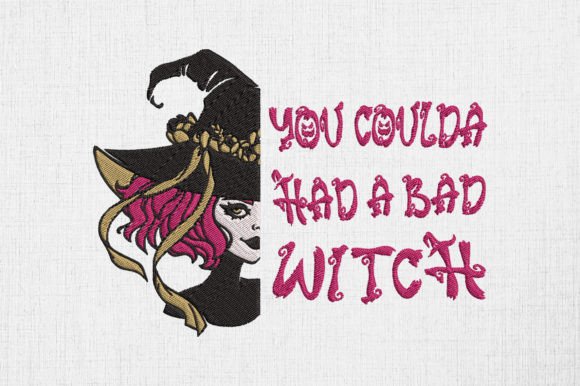
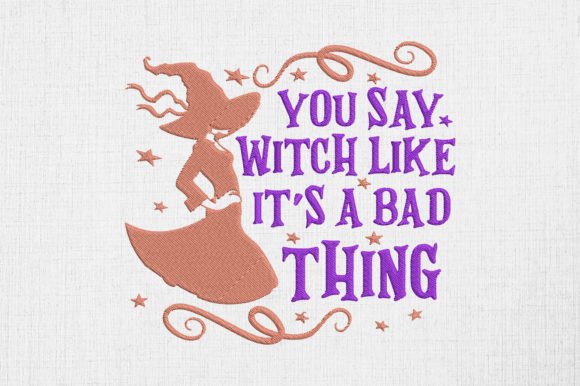
The title alone does heavy lifting. "You Say Witch Like It s a Bad Thing" suggests a blend of humor, empowerment, and festive spirit. From a design perspective, this implies a bold typographic approach rather than delicate florals or minimalist icons. When I first look at this concept, I imagine it as a statement piece. It feels modern, slightly rustic, and undeniably fun. For a craft fair booth, you need items that stop traffic within three seconds. This design has that potential because it invites a smile or a nod of recognition immediately.
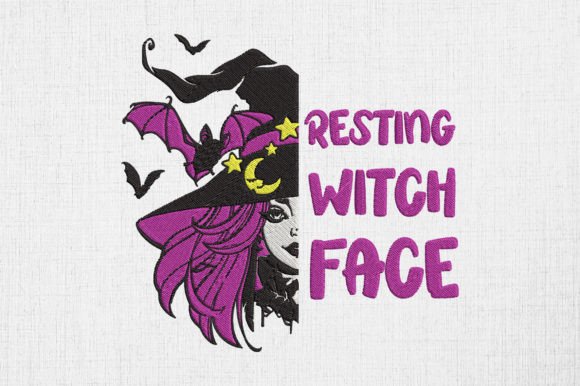
In terms of aesthetic mood, this design leans toward the "funny" and "bold" categories. It is not soft or minimal; it is declarative. This makes it excellent for customers looking for gifts that express personality. However, because it relies on text, the clarity of the font and the balance of the letters are critical. If the stitch density is too high, the fabric might pucker, ruining the legibility. If it is too low, the design may look sparse and cheap. The ideal execution here would feature clean lines with perhaps some playful decorative elements—like a small hat brim, a broomstick accent, or subtle stars—to break up the text without cluttering the message.
Product Application: Where It Sells Best
Not all substrates are created equal. As a seller, you must match the design to the product that highlights its strengths. Here is how "You Say Witch Like It s a Bad Thing" performs across various handmade products:
- Tote Bags: This is arguably the strongest application. A canvas tote bag provides a large, flat surface area perfect for a multi-line text design. The sturdy fabric supports the stitches well, and the phrase fits naturally on the front panel. It becomes a walking billboard for your brand.
- Aprons: An apron embroidery application works beautifully for kitchen-focused buyers. Placing the design on the bib or lower pocket adds a touch of humor to home decor. It appeals to the "farmhouse" aesthetic while keeping the Halloween theme light and wearable year-round.
- Tea Towels: Similar to aprons, tea towel embroidery offers a lower price point impulse buy. Customers often grab these as add-on items. Ensure the design scales down correctly so the text remains readable on a narrower fabric width.
- Caps and Beanies: Curved surfaces present a challenge. While a cap can be a great small shop product, long phrases like this can distort on the curve of a baseball cap. It may work better on a slouchy beanie where the fabric lays flatter, or placed on the side panel rather than the front center.
- Patches: Converting this into an embroidered patch allows for versatility. Buyers can iron or sew it onto jackets, bags, or hats. Patches are highly giftable and travel-friendly, making them excellent for online shipping.
- Fabric Pouches and Pillow Covers: These items offer a cozy, homey feel. A pillow cover with this design creates a seasonal focal point in a living room, appealing to decorators who want temporary updates without buying new furniture.
Production Practicality and Booth Strategy
When preparing for a weekend craft fair, efficiency is key. You need designs that are repeatable. Does "You Say Witch Like It s a Bad Thing" lend itself to batch production? Yes, provided the digitization is clean. A well-digitized digital embroidery file will run smoothly without excessive trimming or rehooping. This reduces labor time per unit, increasing your profit margin.
Photography is another crucial factor. This design photographs exceptionally well because the contrast between thread and fabric is usually high. On a white or cream tea towel, the dark threads pop. On a black tote bag, white or gold threads create a premium look. For your Etsy listings and social media, ensure you capture close-ups of the stitch quality. Show the texture. Buyers want to see that this is a finished product made with care, not a cheap print.
Consider the "giftability" factor. This phrase is versatile enough for a teenager, a college student, or a grandmother who loves a good laugh. Positioning it as a gift for friends or coworkers expands your customer base beyond just Halloween enthusiasts. It becomes a conversation starter, which drives engagement at your booth.
Technical Considerations and Careful Use Notes
Before you start mass-producing, there are technical pitfalls to avoid. Text-based designs are unforgiving. Tiny details or thin serifs in the font can get lost if the hoop size is too small or if the thread colors lack contrast against the fabric. Always test the design on scrap fabric that matches your final product material.
Pay attention to stitch density. If the text is filled with dense satin stitches, it may become stiff and uncomfortable on clothing items like dresses or scarves. For wearable items, consider using lighter fill stitches or outlining techniques to maintain flexibility. Also, check the hoop size requirements. If the design requires a large hoop, it limits the types of garments you can embroider (e.g., you cannot hoop a fitted t-shirt easily). Smaller hoops offer more product flexibility.
Fabric texture matters. Terry cloth towels or heavily textured fabrics can obscure fine lettering. Stick to smooth cottons, linens, or canvas for the best results. If you are working with dark fabrics, use a cut-away stabilizer to prevent puckering and ensure the stitches lay flat. Never skip the stabilizer step; it is the backbone of professional-quality embroidery.
Designer’s Checklist Before Production
- Test on Scrap: Run the embroidery file on a spare piece of your chosen fabric to check tension and registration.
- Check Contrast: Ensure the thread color stands out clearly against the fabric. Low-contrast combinations (e.g., gray thread on white fabric) often fail in person.
- Verify Spacing: Look at the spacing between letters. Tight kerning can cause threads to merge, making words unreadable.
- Confirm Hoop Size: Make sure the design fits comfortably within your machine’s standard hoops to maximize product options.
- Create Mockups: Produce at least one real mockup of each intended product (tote, apron, etc.) to assess visual appeal.
- Review Licensing: Confirm commercial licensing terms before selling finished products. Some design assets restrict resale, while others allow it with proper attribution.
Final Verdict
"You Say Witch Like It s a Bad Thing" is a strong contender for any commercial embroidery lineup targeting the Halloween season and beyond. Its humorous tone and clear message make it highly marketable. It performs best on structured items like totes and aprons where the text can be displayed prominently. By paying attention to fabric choice, stitch density, and presentation, you can turn this machine embroidery design into a top-selling item at your next craft fair or online store. Remember, the best handmade products connect emotionally. This design connects through humor and identity, giving it a distinct advantage in a crowded marketplace.