Momster Embroidery Design Review for Merch
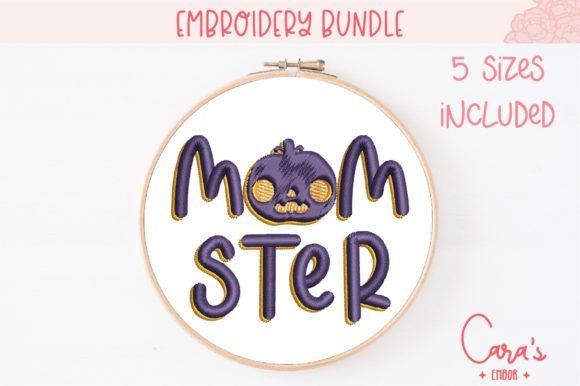
As an embroidery designer who has spent years turning digital concepts into tactile, high-quality branded assets, I approach every new file with a mix of creative enthusiasm and technical skepticism. When evaluating designs for small business merchandise, the goal is never just "pretty." The goal is durability, clarity at scale, and brand alignment. Today, I am reviewing the Momster design from the Halloween category. While the title suggests a playful or spooky theme, the true test lies in its versatility as a commercial asset. Can this design survive the rigors of production? Does it hold up on curved surfaces like caps? And most importantly, does it elevate the perceived value of handmade products?
First Impressions: Personality and Professionalism
The name "Momster" immediately evokes a blend of maternal pride and edgy humor. In the context of branding, this duality is powerful. It feels bold, slightly rustic, yet undeniably modern. For a boutique bakery, a pet brand, or a creative studio selling holiday-themed goods, this design offers a distinct visual personality. It is not merely decorative; it carries a narrative. However, the description warns that resizing or editing is not recommended. This is a critical constraint for any designer. It means the original proportions are sacred. We must respect the artist’s intent to ensure the quality remains top-tier. If you alter the design, you risk distorting the stitch flow, which can lead to puckering or loss of detail in the finished product.
Real-World Application: Where Momster Shines
Let us look at how this embroidery file performs across various small business merch categories. The first and most obvious application is the embroidered patch. Because the design is self-contained and likely has strong outlines, it translates beautifully onto iron-on or sew-on patches. These patches can serve as badges of honor for staff uniforms, adding a touch of personality to otherwise standard work shirts. Imagine a team of baristas at a local café wearing black aprons with the Momster design embroidered on the chest pocket. It creates a sense of community and fun without sacrificing professionalism.
Furthermore, this design is an excellent candidate for cap embroidery. Hats are a staple of custom apparel for events and trade shows. The bold nature of the design ensures it remains legible even when stitched onto the curved front panel of a baseball cap. Similarly, for tote bag design initiatives, placing the Momster motif near the handle or centered on the canvas provides a striking focal point. Tote bags are mobile billboards; a well-executed digital embroidery file here increases brand visibility every time the customer walks down the street.
Consider also the realm of product packaging accents. Small businesses often use branded tags or labels to enhance unboxing experiences. A tiny, meticulously stitched Momster logo on a hang tag or a fabric label inside a garment adds a layer of premium craftsmanship that customers appreciate. It signals attention to detail. For Etsy sellers and crafters, this level of polish can be the difference between a casual purchase and a loyal brand advocate. The design works particularly well for apron embroidery in home goods or kitchenware lines, where the humorous yet cute aesthetic fits perfectly with seasonal themes.
Critical Considerations: Where Caution is Required
While the potential is high, there are specific scenarios where Momster requires careful handling. The warning against resizing is paramount. If you attempt to shrink this design too much, you may encounter issues with stitch density. Fine details can merge together, creating a muddy blob rather than a crisp image. Therefore, testing the design at its smallest intended output size is non-negotiable before committing to bulk production.
Another challenge is the substrate. Embroidery on textured fabrics, such as heavy canvas or boucle wool, can obscure fine lines. Dark uniforms present another hurdle; thread color contrast becomes vital. You cannot simply guess at thread choices. You must inspect spacing and ensure that the background fabric does not show through the stitching, which can happen if the underlay stitches are insufficient. Additionally, items that require frequent washing, such as staff uniforms or baby clothes, need robust construction. Ensure that the stabilizer used during digitizing supports the design adequately so it does not warp after multiple laundry cycles.
Brand Identity and Customer Trust
Using a high-quality machine embroidery design like Momster directly impacts your brand identity. Embroidery is associated with permanence and quality. Unlike screen printing, which can crack over time, embroidery holds its shape. This durability builds customer trust. When a buyer sees a neatly stitched Momster logo on a tote or a patch on a hat, they perceive higher value. It suggests that the brand cares about longevity. This perception enhances brand identity by aligning your products with premium standards. It also aids in recognition; a consistent visual style across different items—caps, aprons, and bags—creates a cohesive design assets library that strengthens your market presence.
Practical Designer Notes for Production
To ensure success, follow these practical steps before launching your production run:
- Test in Black and White: Convert the design to monochrome to check contrast and readability. If it lacks impact in black and white, it will struggle in color.
- Check Small Patch Size: Digitize a mockup of the design at 2 inches wide. Inspect the lettering and outlines. Are they clear? Is there enough negative space?
- Review Thread Color Contrast: Select threads that pop against your target fabric. Avoid low-contrast combinations that fade into the background.
- Inspect Spacing: Ensure elements are not too close together, which can cause stitching errors or fabric distortion.
- Confirm Hoop Size: Verify that the design fits within your machine’s hoop limits without requiring unnecessary re-hooping, which can misalign the placement.
- Test on Real Fabric: Never trust a digital preview alone. Stitch out the design on the actual fabric type you plan to sell. Check for puckering, thread breaks, or registration issues.
- Use Proper Stabilizer: Match the stabilizer (cut-away vs. tear-away) to the fabric weight and stretch. This is crucial for maintaining the integrity of the embroidered patch or logo.
- Create a Printable Mockup: Before cutting fabric, generate a realistic mockup for client approval or marketing materials. This helps visualize the final result.
- Compare Beside Other Assets: Place the Momster design next to your existing logos or patterns. Does it fit the aesthetic? Does it compete or complement?
- Confirm Commercial Licensing: Most importantly, verify that you have the right to use this design for commercial purposes. The description mentions testing for quality but does not explicitly grant license terms. Always check the provider’s policy to avoid legal issues.
In conclusion, Momster is a versatile and engaging design that can significantly enhance your handmade product offerings. Whether used for commercial embroidery projects, event merch, or boutique accessories, it brings a unique flair. By respecting its constraints and following rigorous testing protocols, you can leverage this design to create memorable, high-value items that resonate with your audience. Remember, the devil is in the details, and in embroidery, those details make all the difference.